
Are You Looking For a Physiotherapist In Brisbane CBD, QLD?
Get Fit or Fixed for Summer with our 3 for 2 Physiotherapy and Exercise Physiology offer
Why Book at All Care Physiotherapy?
Expert Care. Positive Outcomes. Convenient Location.
When it comes to your health, you deserve dedicated care and that’s exactly what we focus on delivering.
At All Care Physiotherapy, we combine clinical expertise with genuine care to provide results-driven physiotherapy that puts you first.
Our experienced team doesn’t just treat symptoms, we pride ourselves on our pain to performance approach to client care where we take the time to understand the root cause of your pain and create a personalised plan to help you move better, feel stronger and get back to what you love. Our model is relieving symptoms, restoring function and improving your long term health.
Because it's not just about living longer—it's about living well. Prioritising your health span means staying active, independent for as many years as possible.
Make your health a priority and book an appointment with one of our expert physios and take the first step towards your health goals.
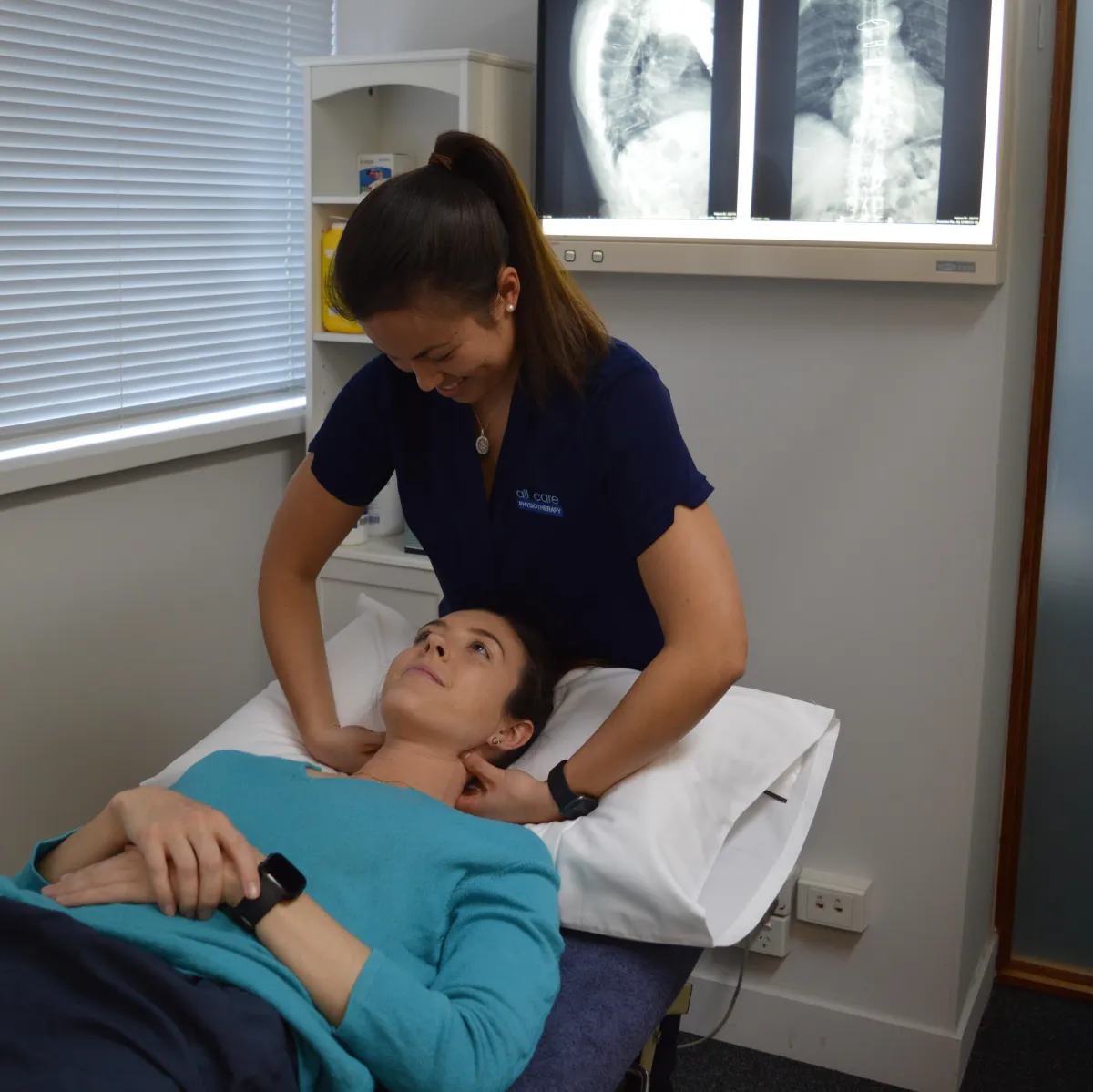
All Care Physiotherapy was established by Patrick Cruice in 1994 and has consistently provided a high standard of Physiotherapy care to the Brisbane City CBD and surrounding inner Brisbane city residents and professionals, as well as the broader community.
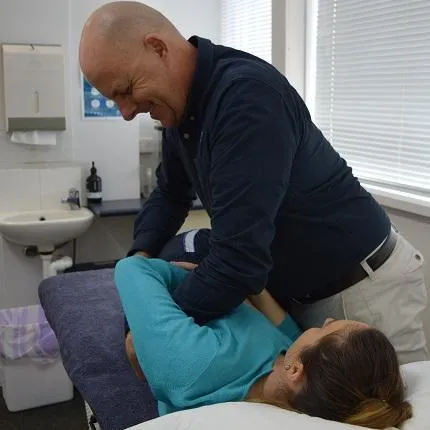
What Sets Us Apart?
With over 30 years of clinical experience and more than 35,000 clients treated, our team brings a depth of knowledge that few clinics can match. We've seen almost every type of injury and condition—and we know what works.
We have strong, long-standing relationships with top orthopaedic and neurosurgeons at Brisbane Private Hospital, who regularly refer their patients to us for rehabilitation. You’ll benefit from a clinic that understands the complexity of post-operative care and delivers it with precision and compassion.
Our fully equipped, modern rehab gym allows us to support your recovery from early treatment right through to return to sport, work or daily life. From hands-on therapy to guided exercise programs, we help you progress safely and confidently every step of the way.
Located conveniently in the heart of Brisbane’s CBD, our clinic is easy to access via public transport and is within walking distance of bus stops, train stations and carparks, making your visits simple and stress-free.
How Can We Help?
At All Care Physiotherapy we treat a wide range of conditions from everyday aches to complex injuries. Whether you're dealing with a recent injury or something that’s been nagging you for a while, our experienced physiotherapists can help you understand the cause and work towards lasting relief.
We commonly help clients with:
Back pain – from stiffness and postural strain to disc injuries and sciatica
Neck pain & headaches – including tension, whiplash and desk-related strain
Shoulder pain – such as rotator cuff issues, bursitis and frozen shoulder
Knee pain – from ligament injuries and arthritis to patellofemoral pain
Hip & pelvic pain – affecting movement, stability or sleep
Ankle & foot problems – including sprains, Achilles issues and plantar fasciitis
Post-surgical recovery – regain strength and mobility after Orthopaedic Surgery (Hip and Knee replacements, ACL reconstructions etc)
Sports injuries – from sprains and strains to overuse injuries
Balance and dizziness issues – including BPPV and vestibular dysfunction
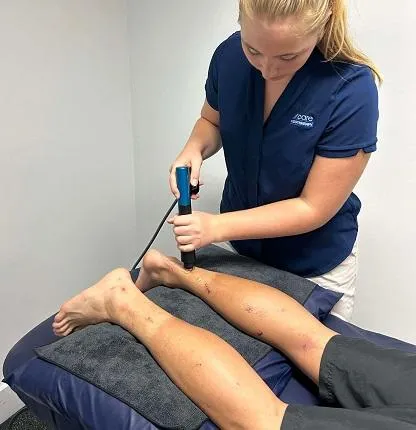
Confused about your pain and not sure what to do?
Get clear, professional advice in our free downloadable information packs
Back Pain
Understand why back pain happens and how to help it
Shoulder Pain
Understand why shoulder pain happens and how to help it
Knee Pain
Understand why knee pain happens and how to help it
All Care Rehab Central
Redefining rehabilitation
With 30+ years of experience in rehabilitation and physiotherapy, we’ve seen firsthand how recovery can be supported when it's backed by experienced guidance, the right equipment and ongoing support.
Our goal is to help you return to the activities you love, reduce pain and help you to be confident and stronger than before.
The Rehab Central Pathway for you is to Recover and Rebuild to allow you to perform in life.
Unlike regular gyms, you’ll always have access to qualified clinical exercise professionals who guide you through safe, effective and personalised rehab programs.
Ground floor, Morris Towers, 149 Wickham Terrace, Spring Hill, 4000.
Monday - Friday, 7:30 am - 5:30 pm
Contact us today to speak with our friendly team and find out how we can help you feel your best
Latest Tips and Advice
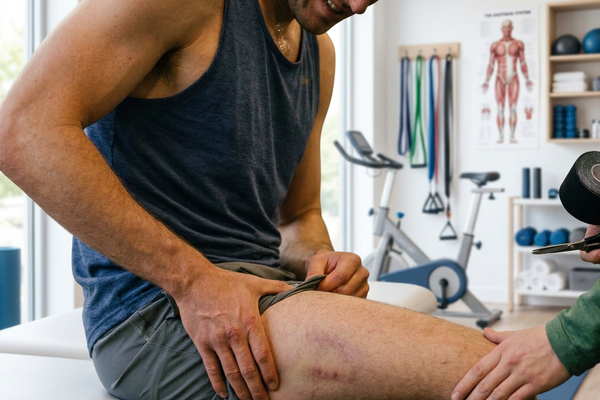
Hamstring Tears and Strains: How Exercise Physiology Can Support Recovery
A sudden sharp pain in the back of your thigh during running, sprinting or sport can be both painful and frustrating. Hamstring strains are among the most common muscle injuries seen in active individuals, often leading to reduced activity levels, missed training sessions and difficulty returning to sport.
Whether you've recently injured your hamstring or are dealing with ongoing tightness and discomfort, understanding the condition and seeking appropriate guidance can play an important role in your recovery.
At All Care Physiotherapy in Spring Hill, Brisbane, our exercise physiology team works with individuals recovering from hamstring injuries to help restore strength, improve function and support a gradual return to activity.
What Is a Hamstring Strain?
The hamstrings are a group of three muscles located at the back of the thigh. These muscles help bend the knee, extend the hip and generate power during activities such as running, jumping and changing direction.
A hamstring strain occurs when one or more of these muscles or their associated tendons are stretched beyond their capacity, resulting in tissue damage. Hamstring injuries can range from mild strains to more significant tears.
Hamstring strains commonly occur during:
Sprinting
Football
Soccer
Rugby
Athletics
Basketball
Activities involving sudden acceleration or deceleration
What Are the Symptoms of a Hamstring Tear or Strain?
Symptoms vary depending on the severity of the injury but may include:
Sudden pain in the back of the thigh
A pulling or tearing sensation
Tenderness over the injured area
Swelling or bruising
Difficulty walking or running
Reduced strength in the affected leg
Some people may notice symptoms immediately, while others experience increasing discomfort in the hours following the injury.
What Causes Hamstring Strains?
Hamstring injuries are often influenced by multiple factors rather than a single cause.
Muscle Weakness
Insufficient strength within the hamstrings can reduce the muscle's ability to tolerate high-speed movements and sporting demands.
Inadequate Conditioning
Returning to sport or exercise without adequate preparation may increase injury risk.
Fatigue
Muscle fatigue can affect movement control and increase the likelihood of tissue overload during activity.
Previous Hamstring Injury
A history of hamstring strain is considered a significant risk factor for future hamstring injuries.
Training Load Changes
Rapid increases in training intensity, frequency or volume can place additional stress on muscles and connective tissues.
How Can Exercise Physiology Help With Hamstring Rehabilitation?
Exercise physiology focuses on using evidence-informed exercise interventions to support recovery, improve physical function and assist individuals in returning to activity safely.
Following a hamstring injury, an exercise physiologist may assess:
Muscle strength
Flexibility and mobility
Functional movement patterns
Exercise capacity
Training history
Activity goals
Return-to-sport requirements
Based on these findings, an individualised rehabilitation program can be developed.
Progressive Strength Training
Strengthening exercises are often an important component of hamstring rehabilitation.
Programs may target:
Hamstring muscles
Gluteal muscles
Hip stabilisers
Core muscles
Lower limb strength and control
Progressive loading helps the injured tissues adapt to increasing demands over time.
Return-to-Running Programs
For runners and athletes, returning to high-speed activity requires careful planning.
Exercise physiologists can guide a gradual progression that considers symptom response, strength improvements and activity goals.
Movement and Performance Assessment
Assessing movement patterns may help identify factors contributing to excessive strain on the hamstrings during sport and exercise.
Frequently Asked Questions About Hamstring Strains
How Long Does a Hamstring Strain Take to Heal?
Recovery time varies depending on the severity of the injury, overall health, activity demands and rehabilitation progress. Some mild strains improve within several weeks, while more significant injuries may require a longer recovery period.
Should I Stretch a Hamstring Injury?
Stretching may be appropriate at certain stages of rehabilitation, but timing and exercise selection are important. Stretching too aggressively early in recovery may aggravate symptoms.
Can I Keep Exercising With a Hamstring Strain?
In many cases, modified activity may still be possible. However, continuing high-intensity exercise despite pain may delay recovery. Professional assessment can help determine suitable activity levels.
Why Do Hamstring Injuries Keep Coming Back?
Recurring hamstring injuries may occur if contributing factors such as strength deficits, inadequate rehabilitation or rapid return to sport have not been fully addressed.
Strategies to Help Reduce the Risk of Hamstring Injuries
While not all injuries can be prevented, several strategies may help reduce risk:
Maintain regular strength training
Progress training loads gradually
Incorporate adequate recovery periods
Complete warm-up activities before exercise
Address previous injuries appropriately
Follow structured return-to-sport programs
Building strength and capacity over time can help prepare the body for sporting and exercise demands.
Hamstring Rehabilitation in Spring Hill, Brisbane
If you're experiencing hamstring pain, recovering from a recent strain or preparing to return to sport, professional guidance may help support your rehabilitation journey.
At All Care Physiotherapy, located at Ste 16, Level 1, 149 Wickham Terrace, Spring Hill QLD 4000, our exercise physiology team provides tailored assessments and exercise programs designed around your individual needs and goals.
We work with recreational exercisers, runners, athletes and active individuals seeking support with hamstring rehabilitation and injury prevention.
Book an Appointment
If you're dealing with a hamstring strain or ongoing thigh pain, contact All Care Physiotherapy to arrange an assessment.
Our team can evaluate your condition, discuss your activity goals and develop an individualised exercise program designed to support your recovery and return to activity.
Book online or contact our Spring Hill clinic today to learn how exercise physiology may assist with your rehabilitation.

We’re proud to be connected with trusted professional affiliations and community partners.


If you have any questions before scheduling an appointment or for general enquiries, please contact us. Our team will promptly reach out to assist you.
Opening Hours
Mon: 7:30am - 6:00pm
Tues: 7:30am - 6:00pm
Wed: 7:30am - 6:00pm
Thu: 7:30am - 6:00pm
Fri: 7:00am - 5:00pm
Sat: Closed
Sun: Closed


All Care Physiotherapy is powered by Vitala Health, a group of Allied Health Practices across New Zealand and Australia.
Vitala Health provides clinical solutions that supports clients health and lifestyle needs through best practice treatment, premium facilities, education and ongoing commitment to customer service. Learn more about Vitala Health


Follow Us
The Clinic
Common conditions
© Copyright 2026. Vitala Health. All rights reserved.
Facebook
Instagram
LinkedIn