Tips and Advice
Read the latest helpful insights and practical tips from our expert physiotherapists to help you move better and feel stronger.
Information provided by All Care Physiotherapy Brisbane is for general education and does not replace individual assessment by a registered physiotherapist.
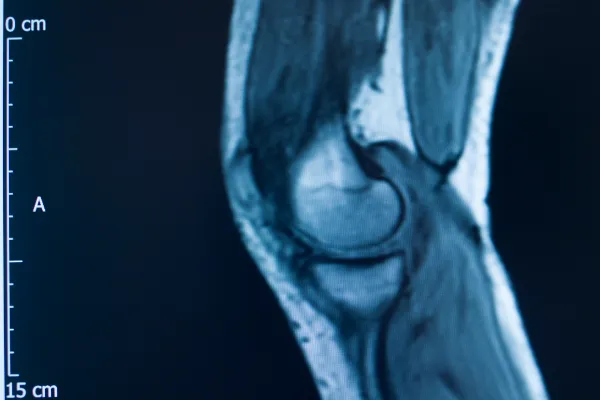
MCL Injuries and Exercise Physiology: Supporting Knee Recovery and Stability
MCL (medial collateral ligament) injuries are a common knee injury, particularly in sports that involve contact, twisting or sudden changes in direction. The MCL is an important ligament on the inner side of the knee that helps provide stability during movement.
At All Care Physiotherapy, in Brisbane City, our exercise physiology services support individuals recovering from MCL injuries or reconstruction surgery through structured, progressive rehabilitation programs.
If you are searching for MCL injury rehabilitation in Brisbane CBD, understanding how exercise physiology contributes to recovery can help you take informed steps toward restoring knee function and confidence.
What Is an MCL Injury?
The medial collateral ligament (MCL) connects the thigh bone to the shin bone on the inner side of the knee. It helps stabilise the knee against inward forces.
MCL injuries can range from mild sprains to complete tears and may occur due to:
Direct impact to the outer knee
Twisting or pivoting movements
Sudden changes in direction
Contact sports injuries
Common symptoms include:
Pain on the inner side of the knee
Swelling and tenderness
Stiffness or reduced movement
Feeling of instability
Difficulty walking or participating in sport
Do MCL Injuries Require Surgery?
One of the most common questions is:
Does an MCL injury always need surgery?
Most MCL injuries do not require surgery and can be managed conservatively with structured rehabilitation.
However, in some cases involving combined ligament injuries, reconstruction surgery may be recommended. In both surgical and non-surgical cases, exercise-based rehabilitation plays a key role in recovery.
How Long Does MCL Recovery Take?
Recovery timelines vary depending on the severity of the injury.
Mild sprains may improve within a few weeks
Moderate injuries may take several weeks to months
More severe injuries or surgical cases may require longer rehabilitation periods
Progress is influenced by factors such as adherence to rehabilitation, severity of injury and individual response to exercise.
Can Exercise Physiology Help MCL Injuries?
Yes. Exercise physiology is an important part of MCL injury rehabilitation.
Why is exercise important after an MCL injury?
Exercise helps restore:
Knee strength and stability
Joint mobility
Balance and coordination
Functional movement patterns
Confidence with walking, work and sport
At All Care Physiotherapy, Accredited Exercise Physiologists design tailored programs based on your stage of healing and activity goals.
Role of Exercise Physiology in MCL Rehabilitation
Exercise physiology focuses on structured, progressive rehabilitation using evidence-based exercise prescription.
Your program may include:
Strength training for lower limb muscles
Balance and proprioception exercises
Controlled mobility work
Functional movement retraining
Gradual return-to-sport or activity progression
Education on load management and recovery expectations
Each program is individualised based on your symptoms and recovery stage.
Why Is Strength Important After MCL Injury?
After injury, muscles around the knee may weaken due to pain, swelling and reduced activity.
Key muscle groups targeted include:
Quadriceps (front of thigh)
Hamstrings (back of thigh)
Gluteal muscles (hips)
Calf muscles
Strengthening these muscles helps support knee stability and reduces strain on the healing ligament.
Balance and Stability Training
The MCL plays an important role in knee stability, so balance and coordination training are essential components of rehabilitation.
These exercises may help:
Improve control during movement
Reduce re-injury risk
Restore confidence in the knee
Support return to sport or physical activity
Common Questions About MCL Rehabilitation
Can I walk with an MCL injury?
Depending on severity, many people are able to walk with some discomfort. Your healthcare provider may recommend modifications during early recovery.
When can I return to sport?
Return to sport depends on strength, movement control and functional testing. Progression should be gradual and guided by your rehabilitation team.
Will my knee feel normal again?
Many people regain good function following structured rehabilitation. Individual outcomes vary depending on injury severity and adherence to the program.
When Should You See an Exercise Physiologist?
You may benefit from exercise physiology support if you:
Have an MCL injury or ligament sprain
Are recovering from knee ligament reconstruction
Experience ongoing knee instability
Want guidance returning to sport or exercise
Need structured rehabilitation support
Are unsure how to safely progress activity
Early rehabilitation support can assist with restoring movement and building confidence over time.
MCL Injury Rehabilitation in Brisbane City
At All Care Physiotherapy, our Accredited Exercise Physiologists provide structured rehabilitation programs for MCL injuries tailored to your individual recovery stage and goals.
Conveniently located at 138 Wickham Terrace in Brisbane City, our clinic is easily accessible from Spring Hill, Fortitude Valley, New Farm, Kangaroo Point and surrounding suburbs.
Our focus is on helping individuals restore strength, improve stability and return safely to work, sport and daily activities through evidence-based exercise programs.
Book an Appointment
If you are recovering from an MCL injury or reconstruction, All Care Physiotherapy can support your rehabilitation journey.
Contact our clinic on 0731860547 or book an exercise physiology assessment online and begin a personalised MCL rehabilitation program designed to support your recovery, function and long-term movement goals.


Follow Us
The Clinic
Common conditions
© Copyright 2026. Vitala Health. All rights reserved.
Facebook
Instagram
LinkedIn