
Tips and Advice
Read the latest helpful insights and practical tips from our expert physiotherapists to help you move better and feel stronger.
Information provided by All Care Physiotherapy Brisbane is for general education and does not replace individual assessment by a registered physiotherapist.
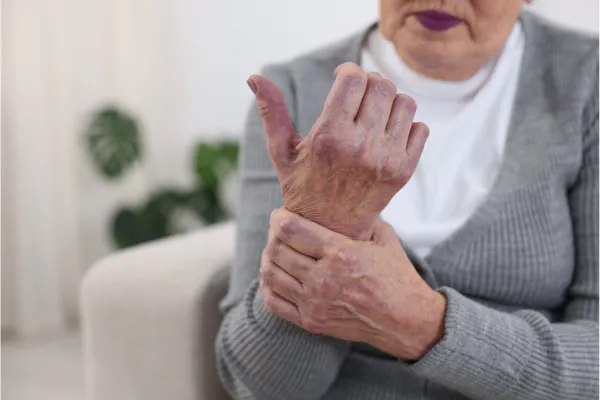
Exercise Physiology for Osteoarthritis Brisbane CBD
Osteoarthritis and Exercise Physiology: Staying Active With Confidence
Osteoarthritis is one of the most common joint conditions affecting Australians. It can impact mobility, physical activity and everyday quality of life, often causing pain, stiffness and reduced movement in affected joints.
Many people living with osteoarthritis worry that exercise may make their symptoms worse. However, research consistently shows that appropriate exercise is an important part of osteoarthritis management.
At All Care Physiotherapy, located in Brisbane City, our exercise physiology services help individuals with osteoarthritis remain active through personalised exercise programs tailored to their needs and goals.
If you are searching for osteoarthritis exercise programs in Brisbane CBD, understanding the role of exercise physiology may help you take the next step towards managing your symptoms and maintaining your independence.
What Is Osteoarthritis?
Osteoarthritis is a condition that affects the joints, including the cartilage, bone and surrounding tissues.
It most commonly affects:
Knees
Hips
Hands
Shoulders
Spine
Symptoms can vary between individuals but often include:
Joint pain
Stiffness, particularly after rest
Reduced flexibility
Swelling around the joint
Difficulty performing everyday activities
While osteoarthritis is more common as we age, it can affect adults of various ages and activity levels.
What Is Exercise Physiology?
Exercise physiology involves the use of tailored exercise programs to support health, mobility and physical function.
Accredited Exercise Physiologists are university-qualified health professionals who assess an individual's health status, physical capacity and goals before developing a personalised exercise plan.
For people living with osteoarthritis, exercise physiology focuses on improving movement confidence, maintaining strength and supporting long-term joint function.
Can Exercise Help Osteoarthritis?
One of the most common questions people ask is:
Should I exercise if I have osteoarthritis?
For most people, appropriate exercise is recommended as part of osteoarthritis management.
Regular physical activity may help:
Improve joint mobility
Maintain muscle strength
Support balance and coordination
Improve physical function
Increase confidence with movement
Assist with participation in daily activities
Exercise programs should always be tailored to individual symptoms, fitness levels and health considerations.
Why Is Strength Important for Osteoarthritis?
Strong muscles help support and stabilise joints during movement.
Benefits of Strength Training
Strength-focused exercise may help:
Improve functional movement
Support joint stability
Increase physical capacity
Improve confidence with everyday tasks
An exercise physiologist can identify appropriate strengthening exercises based on your current abilities and goals.
What Types of Exercise Are Recommended?
Exercise programs for osteoarthritis are highly individualised, but commonly include a combination of the following:
Strength Training
Exercises may target:
Leg muscles
Hip muscles
Core stability
Upper body strength
Aerobic Exercise
Activities such as:
Walking
Cycling
Swimming
Water-based exercise
can help improve cardiovascular fitness and overall health.
Mobility and Flexibility Exercises
Gentle stretching and mobility exercises may assist with maintaining joint movement and reducing feelings of stiffness.
Balance Training
For some individuals, balance exercises may be incorporated to improve stability and confidence during daily activities.
Which Joints Can Benefit From Exercise Physiology?
Knee Osteoarthritis
Knee osteoarthritis is one of the most common reasons people seek exercise physiology support.
Exercise programs often focus on:
Improving leg strength
Supporting walking ability
Enhancing functional mobility
Hip Osteoarthritis
Hip osteoarthritis may affect walking, standing and recreational activities.
Exercise can help maintain movement and physical function.
Shoulder Osteoarthritis
Exercise physiology can support shoulder mobility, strength and participation in everyday activities.
Is Exercise Safe During an Osteoarthritis Flare-Up?
Many people wonder whether they should stop exercising when symptoms increase.
What Should You Do During a Flare-Up?
During periods of increased symptoms, it may be necessary to modify activity levels rather than stop moving altogether.
An exercise physiologist can help adjust your program to suit your current condition and provide guidance on gradually returning to normal activity levels.
When Should You See an Exercise Physiologist?
You may benefit from exercise physiology if you experience:
Persistent joint pain
Reduced mobility
Difficulty exercising
Loss of strength
Reduced confidence with movement
Challenges performing everyday activities
Early guidance can help you develop safe and effective exercise habits that support long-term joint health.
Exercise Physiology for Osteoarthritis in Brisbane City
At All Care Physiotherapy, our Accredited Exercise Physiologists work with people living with osteoarthritis to develop personalised exercise programs that align with their goals, lifestyle and current abilities.
Conveniently located at 138 Wickham Terrace in Brisbane City, our clinic is easily accessible from Spring Hill, Fortitude Valley, New Farm, Kangaroo Point and surrounding Brisbane suburbs.
Our focus is on helping individuals remain active, maintain independence and improve confidence with movement through evidence-based exercise prescription.
Book an Exercise Physiology Appointment
If osteoarthritis is affecting your mobility, exercise capacity or everyday activities, the team at All Care Physiotherapy can help. Call today on 07 3186 0547or book online.



Follow Us
The Clinic
Common conditions
© Copyright 2026. Vitala Health. All rights reserved.
Facebook
Instagram
LinkedIn