Tips and Advice
Read the latest helpful insights and practical tips from our expert physiotherapists to help you move better and feel stronger.
Information provided by All Care Physiotherapy Brisbane is for general education and does not replace individual assessment by a registered physiotherapist.
Lower Back Pain: Understanding the Causes and How Exercise Can Help
Lower back pain is one of the most common musculoskeletal conditions worldwide and a leading reason people seek physiotherapy care. At All Care Physiotherapy, we regularly help patients manage and recover from lower back conditions through physiotherapy, exercise physiology, and targeted exercise classes designed to improve strength, mobility, and long-term spinal health.
Understanding the causes of lower back pain and the available treatment options can help you take the right steps toward recovery.
What Is Lower Back Pain?
Lower back pain refers to pain, stiffness, or discomfort in the lumbar spine—the lower portion of the back. This region supports much of the body’s weight while allowing movements such as bending, twisting, and lifting.
Lower back pain can be acute (short-term) or chronic (lasting longer than three months). Many cases improve with conservative treatment and structured exercise.
Common lower back conditions include:
•Muscle or ligament strain
•Lumbar disc bulge or herniation
•Degenerative disc disease
•Facet joint irritation
•Spinal stenosis
•Sacroiliac joint dysfunction
What Causes Lower Back Pain?
Lower back pain usually develops due to a combination of mechanical stress, lifestyle factors, and age-related changes.
Common causes include:
Muscle or Ligament Strain Heavy lifting, sudden movements, or poor lifting technique can overload the tissues supporting the spine.
Disc Injuries Intervertebral discs act as shock absorbers between the vertebrae. When these discs bulge or herniate, they may irritate nearby nerves and cause pain.
Age-Related Degeneration Natural wear and tear of spinal joints and discs can lead to stiffness, inflammation, and reduced mobility.
Poor Posture and Prolonged Sitting Sitting for long periods—especially with poor posture—places increased stress on the lumbar spine.
Repetitive Strain Work or recreational activities that involve repeated bending, twisting, or lifting can increase the risk of back injury.
Who Is Most Affected?
Lower back pain can affect people of all ages, but certain groups are more commonly impacted:
•Adults aged 30–60 years
•Individuals with sedentary occupations or prolonged desk work
•People performing manual labour or repetitive lifting
•Individuals with reduced physical conditioning or core strength
•Those with osteoporosis or reduced bone density
Most people will experience lower back pain at some point in their lives, making education and prevention important.
Management Options for Lower Back Pain
Most lower back conditions respond well to conservative management, meaning surgery is rarely required.
Treatment options may include:
•Physiotherapy assessment and treatment
•Exercise physiology programs
•Targeted strengthening and mobility exercises
•Postural education and movement retraining
•Activity modification and pain management strategies
•Medical management if required
At All Care Physiotherapy, our focus is on evidence-based, active treatment approaches that help patients regain confidence in movement and return to normal activities.
Physiotherapy for Lower Back Pain
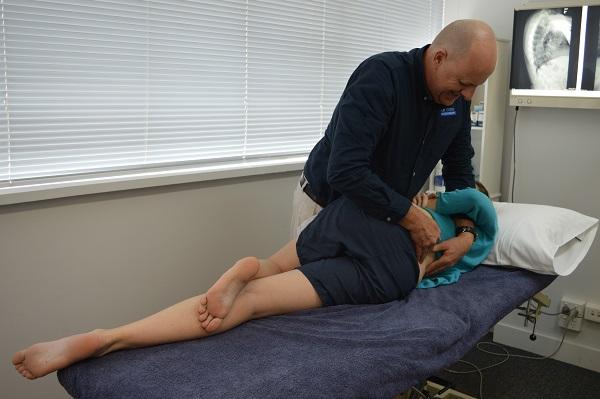
Physiotherapy is one of the most effective ways to manage lower back pain. A physiotherapist will assess your movement, posture, muscle strength, and flexibility to identify the factors contributing to your symptoms.
Treatment may include:
•Manual therapy to improve joint mobility
•Targeted strengthening exercises for the core and spine
•Postural and ergonomic advice
•Movement retraining for everyday activities
•Pain management strategies
The aim is not only to reduce pain but also to restore function and prevent recurrence.
Exercise Physiology and Long-Term Management
Exercise physiologists play an important role in helping patients progress from early rehabilitation to long-term strength and conditioning.
Programs may include:
•Progressive core strengthening
•Functional movement training
•Flexibility and mobility exercises
•Gradual return to work, sport, and daily activities
These programs are individually tailored to ensure exercises are safe, effective, and appropriate for your condition.
Exercise Classes at All Care Physiotherapy
Structured exercise classes are a valuable way to maintain progress, build strength, and prevent future back problems.
Clinical Pilates
Our Clinical Pilates classes focus on controlled strengthening of the deep stabilising muscles of the spine and pelvis. These exercises improve:
•Core strength
•Postural control
•Spinal stability
•Movement awareness
Clinical Pilates is particularly beneficial for individuals recovering from back injuries or those looking to prevent recurrent episodes of pain.
Bone Loading Classes
For individuals with osteoporosis or reduced bone density, our bone loading classes provide safe, evidence-based exercises designed to stimulate bone health and improve strength.
These classes focus on:
•Weight-bearing exercises
•Strength training
•Balance and coordination
•Fall prevention strategies
Bone loading exercises can help maintain bone density while also supporting spinal strength and function.
A Team-Based Approach
At All Care Physiotherapy, we take a collaborative approach to lower back management. Our team of physiotherapists and exercise physiologists work together to guide patients through each stage of recovery—from pain relief to long-term strength and resilience.
Combining hands-on treatment, personalized exercise programs, and structured classes helps patients achieve lasting results.
When Should You Seek Help?
Consider seeing a physiotherapist if you experience:
•Back pain lasting more than a few days
•Pain that limits movement or daily activities
•Recurring episodes of back pain
•Pain that radiates into the leg
Early assessment and management can lead to quicker recovery and help prevent long-term problems.
Supporting Your Recovery
If you are experiencing lower back pain, the team at All Care Physiotherapy is here to help. With physiotherapy, exercise physiology, and targeted exercise classes we support patients in moving better, feeling stronger, and returning to the activities they enjoy.


Follow Us
The Clinic
Common conditions
© Copyright 2026. Vitala Health. All rights reserved.
Facebook
Instagram
LinkedIn