Tips and Advice
Read the latest helpful insights and practical tips from our expert physiotherapists to help you move better and feel stronger.
Information provided by All Care Physiotherapy Brisbane is for general education and does not replace individual assessment by a registered physiotherapist.
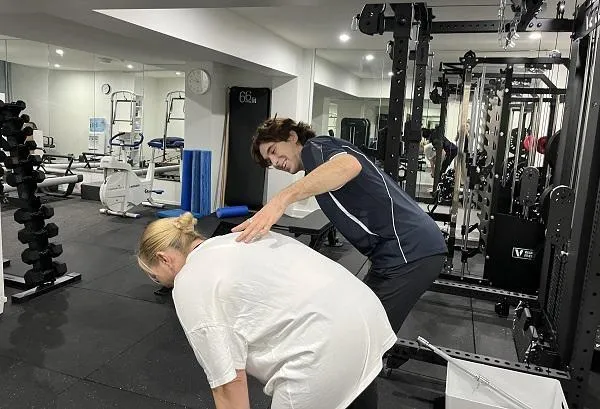
Exercise Physiology for Ehlers-Danlos Syndrome | Spring Hill
Living with Ehlers-Danlos Syndrome (EDS) can make everyday activities more challenging. Joint instability, persistent pain, fatigue and frequent injuries can affect work, recreation and confidence in movement. While there is currently no cure for EDS, appropriately prescribed exercise can play an important role in supporting physical function and helping people stay active.
At All Care Physiotherapy, our Accredited Exercise Physiologists work with people living with Ehlers-Danlos Syndrome to develop personalised exercise programs that are safe, practical and tailored to individual needs. Conveniently located at Suite 16, Level 1, 149 Wickham Terrace, Spring Hill, we welcome clients from Brisbane and surrounding suburbs seeking evidence-informed exercise physiology services.
What is Ehlers-Danlos Syndrome?
Ehlers-Danlos Syndrome is a group of inherited connective tissue disorders that affect collagen, an important protein that provides strength and support throughout the body.
Because connective tissue is found in many areas of the body, EDS can affect joints, muscles, skin and other structures. Symptoms and their severity vary significantly between individuals.
Common symptoms include:
Joint hypermobility
Frequent sprains or joint dislocations
Ongoing joint or muscle pain
Muscle weakness
Fatigue
Reduced balance and coordination
Difficulty with prolonged physical activity
Delayed recovery after activity
As symptoms differ from person to person, management should always be tailored to the individual's needs and goals.
How Can Exercise Physiology Help with Ehlers-Danlos Syndrome?
Many people with EDS worry that exercise may worsen their symptoms or increase the risk of injury. However, avoiding physical activity altogether can contribute to reduced muscle strength, decreased endurance and further joint instability.
Exercise physiology focuses on developing safe, individualised exercise programs that support movement while considering the unique challenges associated with EDS.
An Accredited Exercise Physiologist may help you work towards improving:
Muscle strength
Joint stability
Balance and coordination
Functional mobility
Physical confidence
General fitness
Everyday activity tolerance
Programs are carefully progressed according to your symptoms, goals and response to exercise.
What Does an Exercise Program for EDS Include?
There is no standard exercise program that suits everyone with Ehlers-Danlos Syndrome. Following a thorough assessment, your Exercise Physiologist will develop a program based on your current abilities and health status.
Strength Training
Building muscle strength can help provide additional support around joints that may be prone to instability. Exercises begin at an appropriate level and progress gradually.
Balance and Proprioception Exercises
People with EDS often experience changes in proprioception, which is the body's awareness of joint position. Specific exercises may help improve movement control and coordination.
Low-Impact Cardiovascular Exercise
Activities such as walking, cycling or swimming can help improve cardiovascular fitness while reducing excessive stress on joints.
Functional Movement Training
Exercises may focus on movements used during work, sport or daily life, helping improve confidence with everyday tasks.
Flexibility and Mobility
While many people with EDS naturally have increased joint flexibility, exercise programs focus on controlled movement rather than increasing range of motion beyond what is appropriate.
Frequently Asked Questions
Is exercise safe if I have Ehlers-Danlos Syndrome?
For many people, yes. Exercise should be individually prescribed after an assessment of your symptoms, joint stability, medical history and current physical abilities. A gradual and monitored approach is often recommended.
Can exercise prevent joint dislocations?
Exercise cannot change the underlying connective tissue associated with EDS. However, improving muscle strength and movement control may help support joint stability as part of an overall management plan.
Should I stop exercising if I experience pain?
Not necessarily. Some discomfort may occur with exercise, but persistent or worsening symptoms should be discussed with your Exercise Physiologist. Your program can be modified to better suit your needs.
Can exercise help reduce fatigue?
Fatigue is common in people living with EDS. Appropriate exercise may improve physical capacity and endurance for some individuals, although programs should be carefully paced to avoid excessive fatigue.
Why Choose Exercise Physiology for EDS?
Exercise physiology provides an individualised approach to helping people remain active despite the challenges of Ehlers-Danlos Syndrome.
Rather than following a generic fitness program, your exercise plan is tailored to your symptoms, functional goals and lifestyle. Whether you want to improve confidence with walking, return to recreational activities or better manage everyday movement, your program will be designed around what is important to you.
At All Care Physiotherapy, we work collaboratively with your GP and other healthcare providers where appropriate to ensure your exercise program complements your broader healthcare plan.
Exercise Physiology for Ehlers-Danlos Syndrome in Spring Hill
If you're looking for an Accredited Exercise Physiologist in Spring Hill or Brisbane for Ehlers-Danlos Syndrome, All Care Physiotherapy is here to help.
Located at Suite 16, Level 1, 149 Wickham Terrace, Spring Hill QLD 4000, we provide personalised exercise physiology services for people living with EDS throughout Brisbane and nearby communities.
If you would like to learn whether exercise physiology may be suitable for managing Ehlers-Danlos Syndrome, contact All Care Physiotherapy today.
Our Accredited Exercise Physiologists will complete a comprehensive assessment, discuss your goals and develop a personalised exercise program that reflects your individual needs, helping you participate in physical activity with greater confidence and support your long-term health.


Follow Us
The Clinic
Common conditions
© Copyright 2026. Vitala Health. All rights reserved.
Facebook
Instagram
LinkedIn