
Are You Looking For a Physiotherapist In Brisbane CBD, QLD?
Why Book at All Care Physiotherapy?
Expert Care. Proven Results. Convenient Location.
When it comes to your health, you deserve the best and that’s exactly what we deliver.
At All Care Physiotherapy, we combine clinical expertise with genuine care to provide results-driven physiotherapy that puts you first.
Our experienced team doesn’t just treat symptoms, we pride ourselves on our pain to performance approach to client care where we take the time to understand the root cause of your pain and create a personalised plan to help you move better, feel stronger and get back to what you love. Our model is relieving symptoms, restoring function and improving your long term health.
Because it's not just about living longer—it's about living well. Prioritising your health span means staying active, independent for as many years as possible.
Make your health a priority and book an appointment with one of our expert physios and take the first step towards better health.
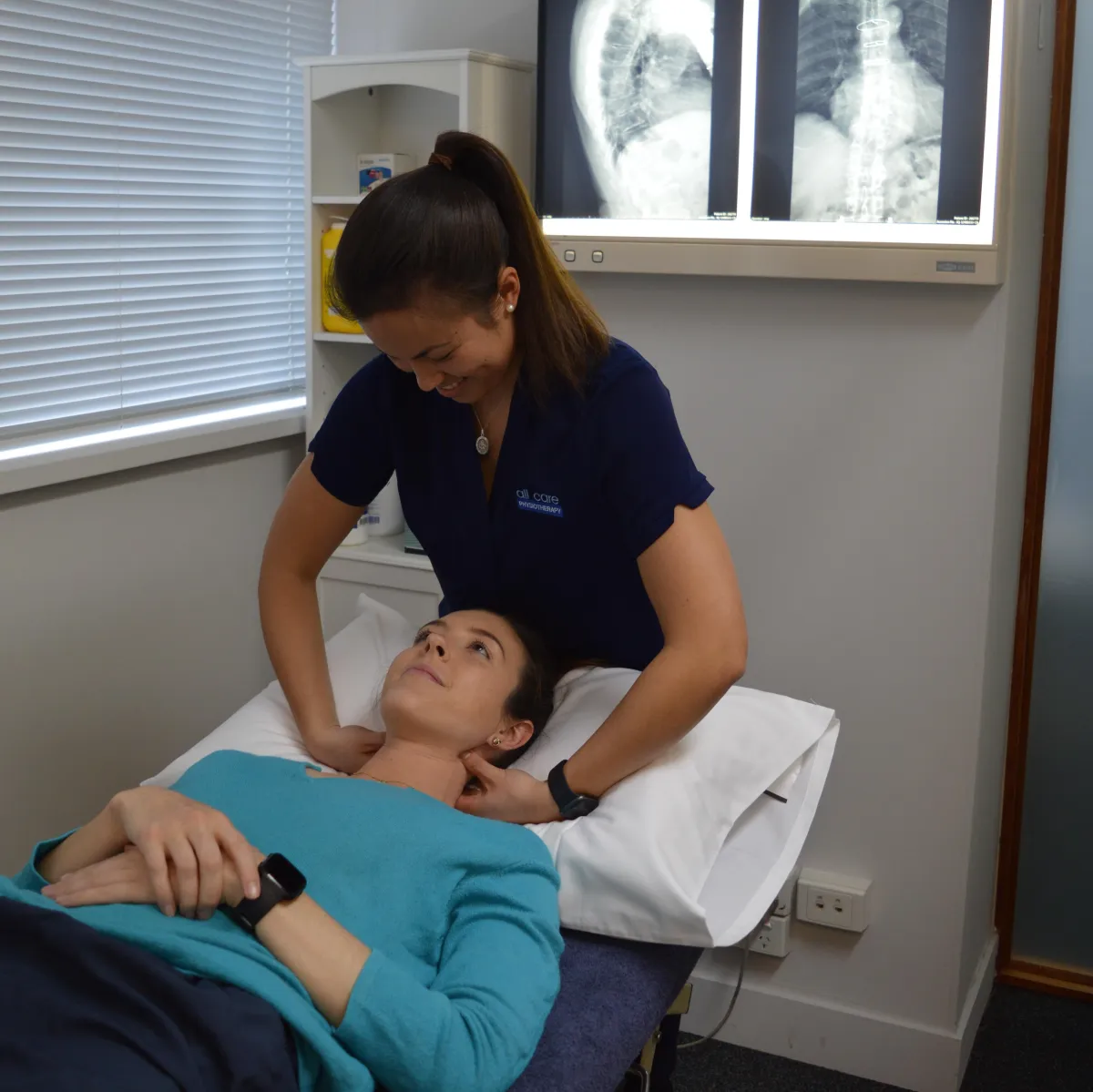
All Care Physiotherapy was established by Patrick Cruice in 1994 and has consistently provided a high standard of Physiotherapy care to the Brisbane City CBD and surrounding inner Brisbane city residents and professionals, as well as the broader community.
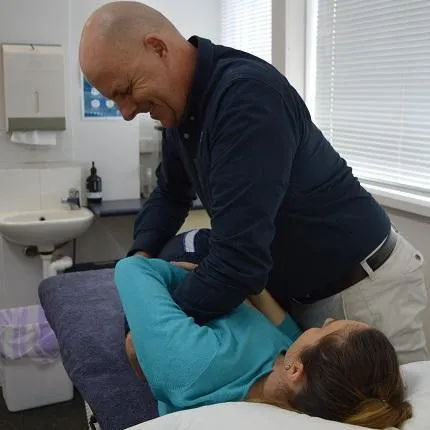
What Sets Us Apart?
With over 30 years of clinical experience and more than 35,000 clients successfully treated, our team brings a depth of knowledge that few clinics can match. We've seen almost every type of injury and condition—and we know what works.
We have strong, long-standing relationships with top orthopaedic and neurosurgeons at Brisbane Private Hospital, who regularly refer their patients to us for rehabilitation. You’ll benefit from a clinic that understands the complexity of post-operative care and delivers it with precision and compassion.
Our fully equipped, modern rehab gym allows us to support your recovery from early treatment right through to return to sport, work or daily life. From hands-on therapy to guided exercise programs, we help you progress safely and confidently every step of the way.
Located conveniently in the heart of Brisbane’s CBD, our clinic is easy to access via public transport and is within walking distance of bus stops, train stations and carparks, making your visits simple and stress-free.
How Can We Help?
At All Care Physiotherapy we treat a wide range of conditions from everyday aches to complex injuries. Whether you're dealing with a recent injury or something that’s been nagging you for a while, our experienced physiotherapists can help you understand the cause and work towards lasting relief.
We commonly help clients with:
Back pain – from stiffness and postural strain to disc injuries and sciatica
Neck pain & headaches – including tension, whiplash and desk-related strain
Shoulder pain – such as rotator cuff issues, bursitis and frozen shoulder
Knee pain – from ligament injuries and arthritis to patellofemoral pain
Hip & pelvic pain – affecting movement, stability or sleep
Ankle & foot problems – including sprains, Achilles issues and plantar fasciitis
Post-surgical recovery – regain strength and mobility after Orthopaedic Surgery (Hip and Knee replacements, ACL reconstructions etc)
Sports injuries – from sprains and strains to overuse injuries
Balance and dizziness issues – including BPPV and vestibular dysfunction
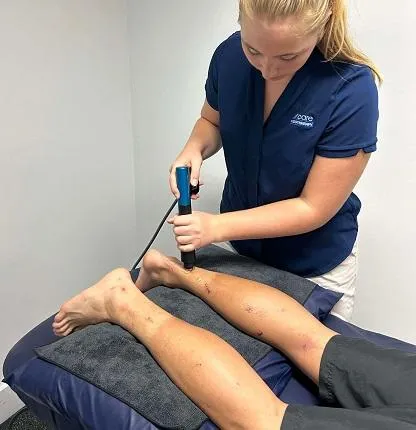
Confused about your pain and not sure what to do?
Get clear, professional advice in our free downloadable information packs
Back Pain
Understand why back pain happens and how to help it
Shoulder Pain
Understand why shoulder pain happens and how to help it
Knee Pain
Understand why knee pain happens and how to help it
All Care Rehab Central
Redefining rehabilitation
With 30+ years of experience in rehabilitation and physiotherapy, we’ve seen firsthand how much better recovery can be when it's backed by expert guidance, the right equipment and ongoing support.
Our goal is to help you return to the activities you love, reduce pain and help you to be confident and stronger than before.
The Rehab Central Pathway for you is to Recover and Rebuild to allow you to perform in life.
Unlike regular gyms, you’ll always have access to qualified clinical exercise professionals who guide you through safe, effective and personalised rehab programs.
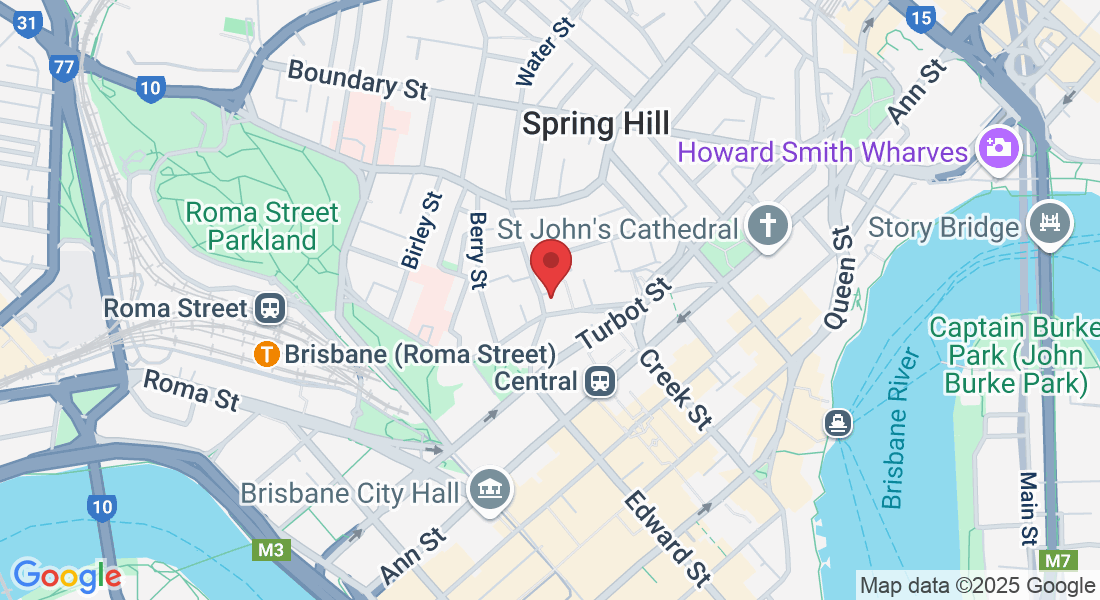
Ground floor, Morris Towers, 149 Wickham Terrace, Spring Hill, 4000.
Monday - Friday, 7:30 am - 5:30 pm
Contact us today to speak with our friendly team and find out how we can help you feel your best
Latest Tips and Advice

How Exercise Physiology can Help You Manage Type1 and Type 2 Diabetes
Whether you’re managing insulin timing and dosages with Type 1, or the metabolic hurdles of Type 2, management of Diabetes can be an exhausting and stressful, but the goal is often the same: stable blood glucose readings and a high quality of life
Using Exercise Physiology (EP), our goal is to utilise exercise as an additional tool in our toolbox for managing type 1 and 2 diabetes. The way we achieve this does vary a little depending on which type you are dealing with, but there is a lot of overlap.
Type 1 Diabetes: Mastering the Balancing Act
In Type 1 Diabetes, the body doesn’t produce insulin. Managing it is a constant calculation of carbohydrates, insulin doses, and physical activity. Historically, some people with Type 1 were recommended to reduce or outright avoid exercise, due to the risk of low blood sugar (hypoglycemia). Today, we know that with the right strategy, exercise is safe, effective, and essential for cardiovascular health.
The Role of the EP in Type 1:
·Not All Exercise is Created Equal:
·Aerobic exercise and activities just as jogging, cycling, and swimming tend to result in an increase in insulin sensitivity and glucose uptake with sustained effort. This results in a decrease in blood sugar values.
·Anaerobic exercise and activities like competitive team sports, interval training, and resistance training are typically associated with increased blood sugar values in the short term, due to a rapid influx of glucose for fast-acting energy during these activities.
·Considerations:
·Aligning your exercise with your insulin peaks and carbohydrate intake to minimize "lows" during and after your session can be a useful way to assist with day-to-day management.
·Delayed onset hypoglycemia can occur following high intensity, long duration, or exhaustive workouts.Glucose is “soaked” up into the muscle fibres in an attempt to recover from the strenuous effort, leading to a sharp drop in blood glucose levels. Keeping detailed notes of the type/duration/intensity of your workouts along with blood sugar, insulin, and carbohydrate intakes can help in establishing a pattern and planning management.
Type 2 Diabetes: Turning Muscles into "Blood Sugar Sponges"
Type 2 Diabetes (T2DM) is characterized by insulin resistance. An overused (but effective) analogy is that of a lock and key .For a quick foray into biology, imagine your cells have a locked door; barring entry without a key. Insulin is the key that unlocks this door, regulating blood sugar levels by managing how much or little sugar in your bloodstream can leave into the cells. In T2DM, this lock door (cell walls) is jammed, and no matter how much insulin your body produces, the sugar stays trapped in your bloodstream, casuing damage to your vessals and organs.
Exercise is a Secret Backdoor: When you exercise, your muscles can actually take up glucose without needing insulin. This is known as insulin-independent glucose uptake. Essentially, your muscles act as sponges, pulling excess sugar out of your bloodstream to fuel your movement.
·Muscles That Serve a Purpose: The larger your muscles are, the more effective these sugar sponges become, increasing your body’s baseline ability to manage glucose independent of medications.
·Resistance Training is King: Compound, whole body exercise is most effective as we aim to target the large muscle groups of the legs, chest and back. These get more bang for our buck than the calves or arms for example.
·HbA1c Reduction: Our goal is a long-term shift. Through consistent, supervised programming, we aim for a measurable reduction in your HbA1C value. This is simple a 3-month rolling average blood glucose levels. Since the lifespan of a blood cell is ~3 months, this is a more long term measure of blood sugar progress than a finger prick test, which are susceptible to weird values based water and food consumed before the test is taken.
Considerations When Managing T2DM: People managing T2DM can also often have co-morbidities, these are conditions that can often go hand-in-hand with eachother. Exercise can assist in the management of these co-morbidities, along with management from the GP and/or Diabetic Specialist.
·Joint Pain & Osteoarthritis: Carry extra weight often leads to hip and knee pain. A structured, well tolerated exercise program will likely improve the strength of these joints independent of the benefits weight loss would have on joint health. If there is less stress on the joints, and they’re stronger, the liklihood of pain is reduced.
·Diabetic Neuropathy: Numbness in the feet and hands, or wounds that take a long time to heal, can be a sign of nerve damage (neuropathy).Increased importance is placed on self examination of your hands and feet for wounds that you may not feel due to the altered nerve sensation. Discussions with your GP regarding this topic are highly encouraged, referrals to podiatrists can be literally life saving.
Conclusion: Exercise isn’t Medicine, But it’s Pretty Amazing
Living with diabetes means you are the pilot of your own health every single day. Exercise Physiology provides you with the flight plan and the technical support to navigate the turbulence. While the mechanics differ, the secondary benefits of exercise for both types of diabetes are life-changing for things like cardiovascular and nerve health, metabolism, mental health and resiliance. Doing even a little bit of exercise is better than nothing, but having a structured plan tailored to your specific goals and capabilities, with long term planning and continued monitoring is likely to yield significantly better results.
Book online or call the clinic today on 3112 7700 to book an appointment.

We’re proud to be connected with trusted professional affiliations and community partners.


If you have any questions before scheduling an appointment or for general enquiries, please contact us. Our team will promptly reach out to assist you.
Opening Hours
Mon: 7:30am - 6:00pm
Tues: 7:30am - 6:00pm
Wed: 7:30am - 6:00pm
Thu: 7:30am - 6:00pm
Fri: 7:00am - 5:00pm
Sat: Closed
Sun: Closed

All Care Physiotherapy is powered by Vitala Health, a group of Allied Health Practices across New Zealand and Australia.
Vitala Health provides clinical solutions that supports clients health and lifestyle needs through best practice treatment, premium facilities, education and ongoing commitment to customer service. Learn more about Vitala Health


Follow Us
The Clinic
Common conditions
© Copyright 2026. Vitala Health. All rights reserved.
Facebook
Instagram
LinkedIn